 Hot
Hot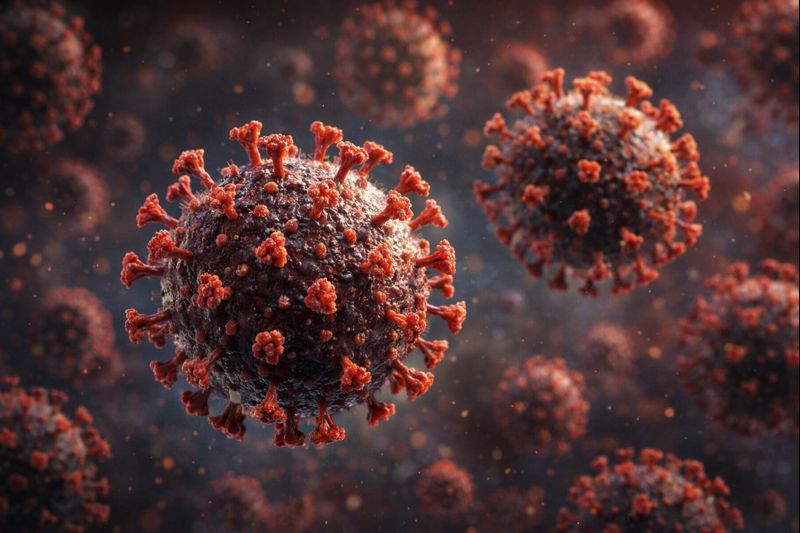
JN.1 Covid Variant Surge in India – New Symptoms & Precautions
India is seeing a fresh rise in Covid cases driven by the JN.1 sub-variant of Omicron. States like Kerala, Maharashtra, Karnataka, and Delhi are reporting higher numbers, with hospitals noticing increased OPD visits for respiratory symptoms.
JN.1 is more transmissible than previous strains but generally causes milder illness in vaccinated people. However, it spreads quickly in crowded places, cold weather, and among unvaccinated or elderly groups.

New & Common Symptoms of JN.1
Doctors report these symptoms are more prominent with JN.1 compared to earlier variants:
- Persistent sore throat (often first sign)
- Extreme fatigue / body ache
- Runny nose or congestion
- Headache
- Mild fever or chills
- Loss of taste/smell (less common now)
- Cough (dry or with phlegm)
Most cases recover at home in 5–7 days, but high-risk groups (seniors, diabetics, heart patients) should watch for breathlessness, high fever, or chest pain — seek hospital care immediately.
Key Precautions Recommended by Doctors
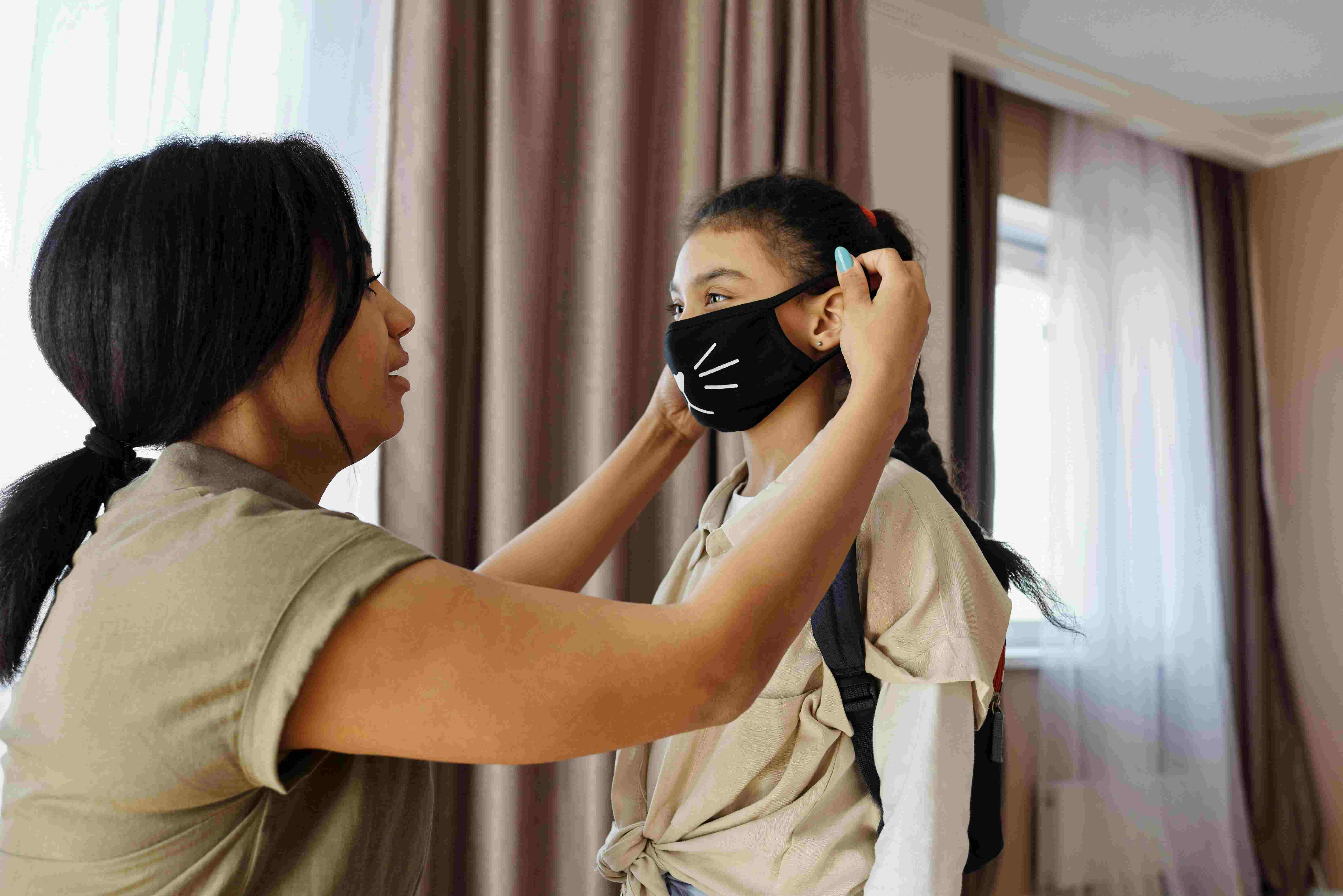
- Wear a well-fitted mask in crowded indoor places or public transport.
- Wash hands frequently or use sanitizer (especially after touching surfaces).
- Avoid close contact with anyone coughing/sneezing.
- Get the updated Covid booster if eligible (many states offering free shots).
- Stay home if you have symptoms — test with RAT/RT-PCR.
- Keep rooms ventilated — open windows even in winter.
- Boost immunity with good sleep, hydration, fruits, and light exercise.
(Responsive / Native Ad)
Why This Matters Right Now
Cold weather + school reopening + travel during holidays = perfect conditions for spread. Experts say JN.1 is dominant in India now, and while severe cases are low, prevention is still critical to avoid hospital overload.
Stay informed, stay safe — share this with family and friends.
HotBuzz will keep updating on JN.1 numbers, new guidelines, and vaccine availability.