 Hot
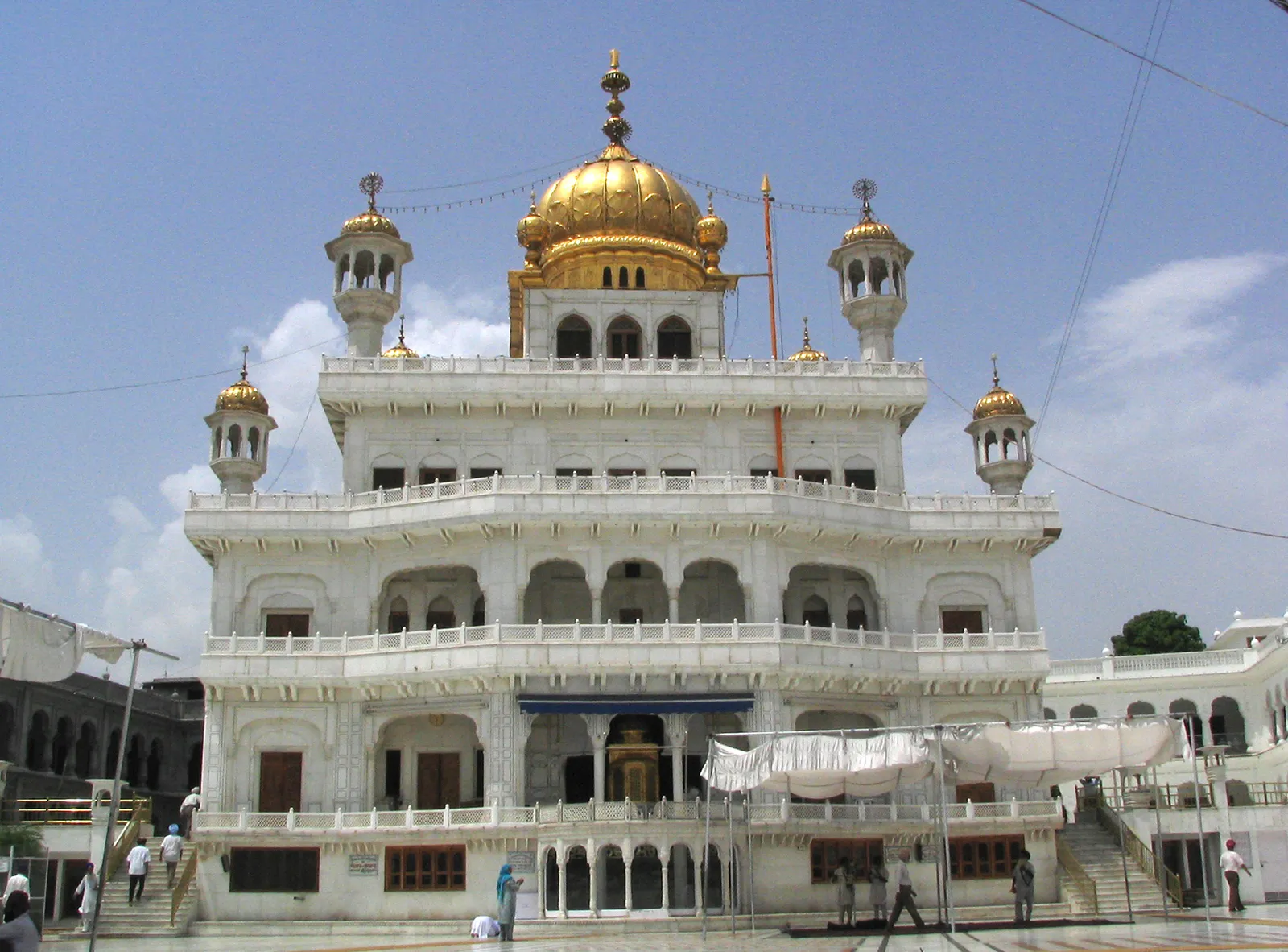
HotIn a surprising and significant shift, the Akal Takht—the supreme temporal authority in Sikhism—has directed the Shiromani Gurdwara Parbandhak Committee (SGPC) to cooperate with the Punjab Police’s Special Investigation Team (SIT) probing the disappearance of 328 sacred saroops (copies) of Sri Guru Granth Sahib Ji.
Acting Jathedar Giani Kuldeep Singh Gargaj announced this U-turn today, January 12, 2026, emphasizing that while the Khalsa Panth firmly opposes any government interference in SGPC affairs, the current confusion among the sangat requires limited cooperation to resolve the matter transparently and swiftly.
What Sparked the Controversy?
The issue dates back to 2020 when discrepancies in SGPC records revealed 328 saroops unaccounted for from the publication department in Amritsar. An Akal Takht-appointed three-member inquiry panel, headed by Ishar Singh, submitted a detailed report (over 1,000 pages) identifying financial misappropriation by corrupt employees. The report named 16 accused individuals, who allegedly distributed saroops without depositing required offerings or issuing proper bills—through collusion and forgery.
SGPC took internal departmental action against the guilty as per the report, but tensions escalated when Punjab Police registered an FIR in December 2025, leading to arrests including former auditor Satinder Singh Kohli.
Initially, SGPC resisted cooperation, citing Akal Takht directives that this was an internal Sikh matter involving no desecration but administrative corruption. The body maintained no diaries or receipts exist for saroop issuance due to the sanctity of Guru Granth Sahib.
This stance led to accusations of politicization from various quarters, including SAD leaders claiming AAP government interference for political gains.
The Recent U-Turn Explained
Acting Jathedar Gargaj clarified that the Ishar Singh report explicitly describes the incident as financial wrongdoing, not blasphemy. To dispel confusion and ensure justice in Panthic interests, he authorized SGPC president Advocate Harjinder Singh Dhami to provide necessary support—any required information can be examined at SGPC’s Chandigarh sub-office in Dhami’s presence.
He issued strict guidelines: Sikh scholars, intellectuals, media personalities, and social media users must avoid inflammatory statements or allegations against any party until the probe concludes, to protect Panthic unity and reverence for Guru Granth Sahib.
(Responsive / Native Ad)
The development aims to balance institutional autonomy with accountability, preventing the issue from being exploited politically.

Reactions and Broader Implications
Online discussions are buzzing with mixed reactions—many welcome the push for transparency and quick resolution, while others voice worries about potential government overreach into Sikh institutions. The Akal Takht’s emphasis on restraint highlights just how sensitive issues tied to Guru Granth Sahib truly are.
This ongoing case continues to spotlight debates around the autonomy of Sikh bodies under the Sikh Gurdwaras Act, 1925, and balancing accountability with tradition.
328 missing 'saroops' case: Akal Takht Jathedar reverses stand, clears SGPC's cooperation with SIT Jathedar Gargaj clarifies cooperation limited to misappropriation issue; warns political parties against exploiting matter @paulbobby reports
— The Tribune (@thetribunechd) January 12, 2026
Akal Takht Sahib Jathedar Giani Kuldeep Singh Gargajj has directed the Shiromani Gurdwara Parbandhak Committee (SGPC) to extend due cooperation with the government in the matter of 328 Holy Saroops, keeping Panthic interests paramount. #AkalTakhtSahib #SGPC #328HolySaroops
— Gagandeep Singh Ahuja (@mediagagan) January 12, 2026
The Akal Takht’s directive marks a key step toward clarity in this prolonged controversy. We’ll keep tracking developments closely—stay tuned for more updates on this important Panthic issue right here on HotBuzz.